amigo
Date
7 Month Timeline
Team
Angellee Martinez
Ux/Ui, Research, Sketches, User Flow, Empathy Maps, Personas, Story Boarding, High-Fidelity Prototyping, User Testing, Branding etc.
Project Responsibilities
Amigo is a social mediation robot designed to combat digital isolation by transforming "third spaces"—such as cafes and libraries—into active hubs for authentic human connection.
Solution
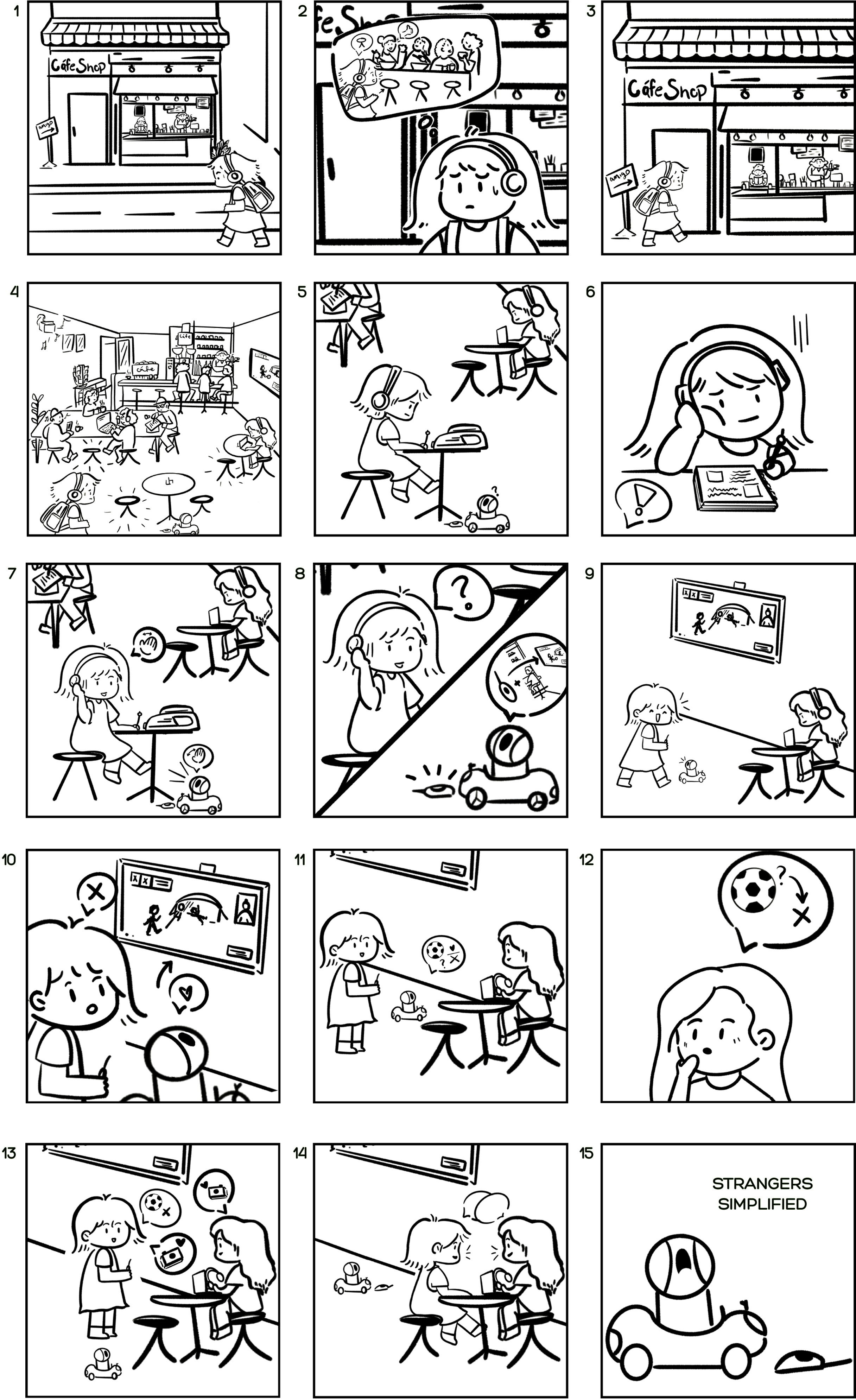
Unlike traditional one-to-one social apps like Bumble BFF or Meetup, Amigo utilizes a "tumbleweed" metaphor to facilitate low-stakes, group-based interactions that lower social friction and the fear of rejection.
What it does
By acting as a physical intervention rather than a digital barrier, the system pairs young adults (ages 20–30) through shared activities, guiding them away from their screens and toward more natural, organic friendships within their local communities.
Why it matters
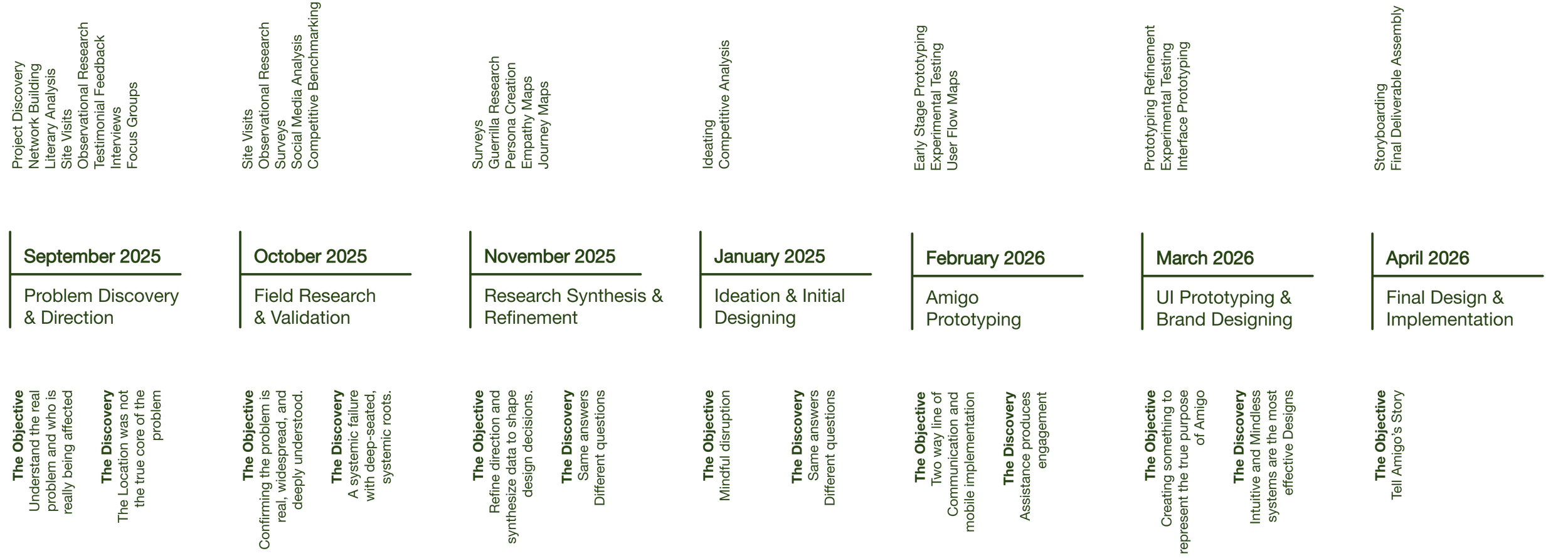
Agile UX Timeline
Research

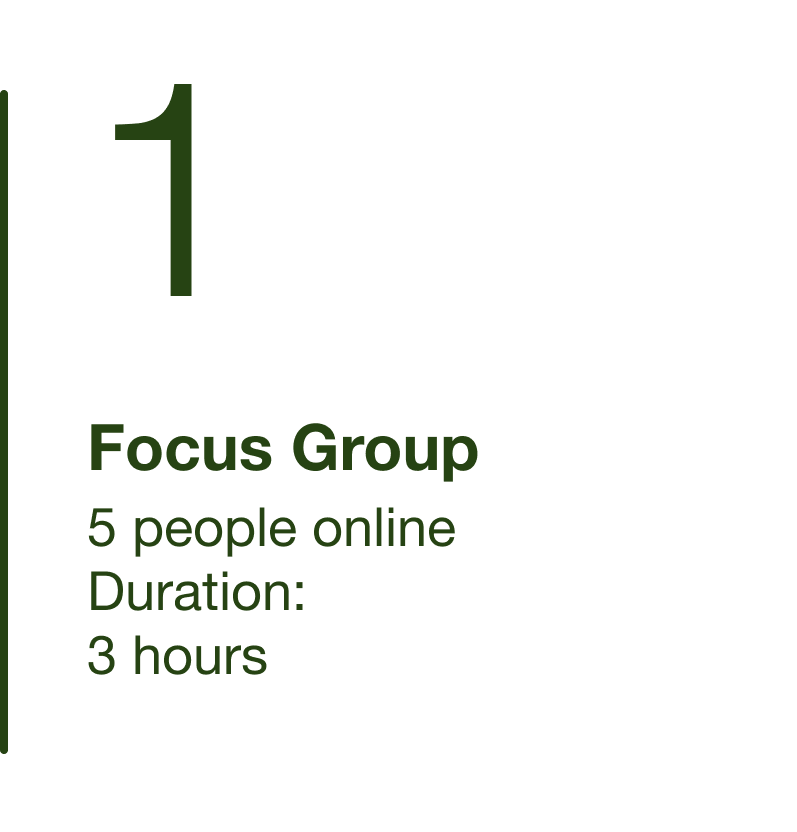

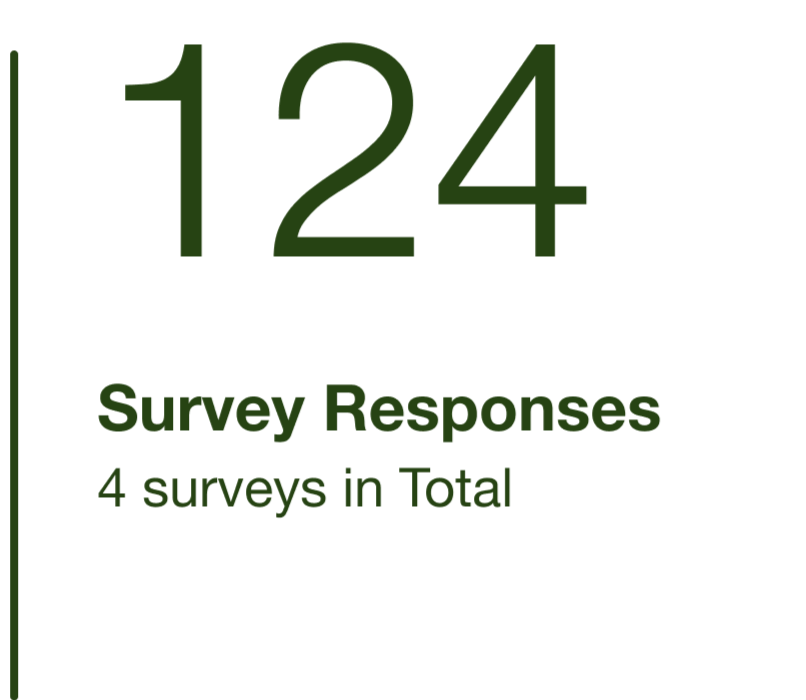
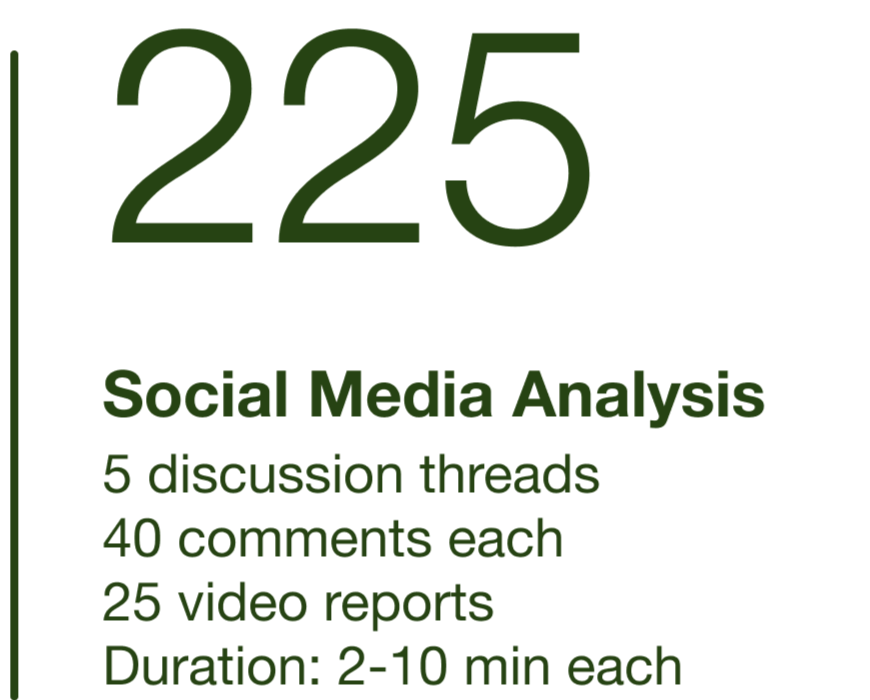
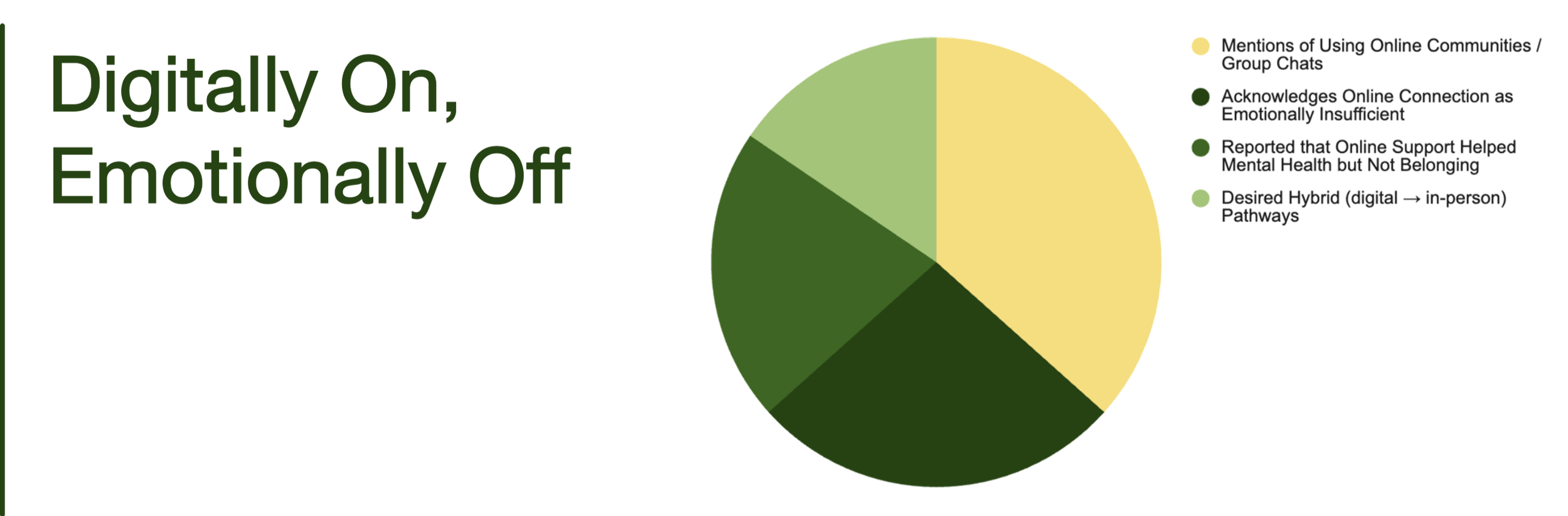
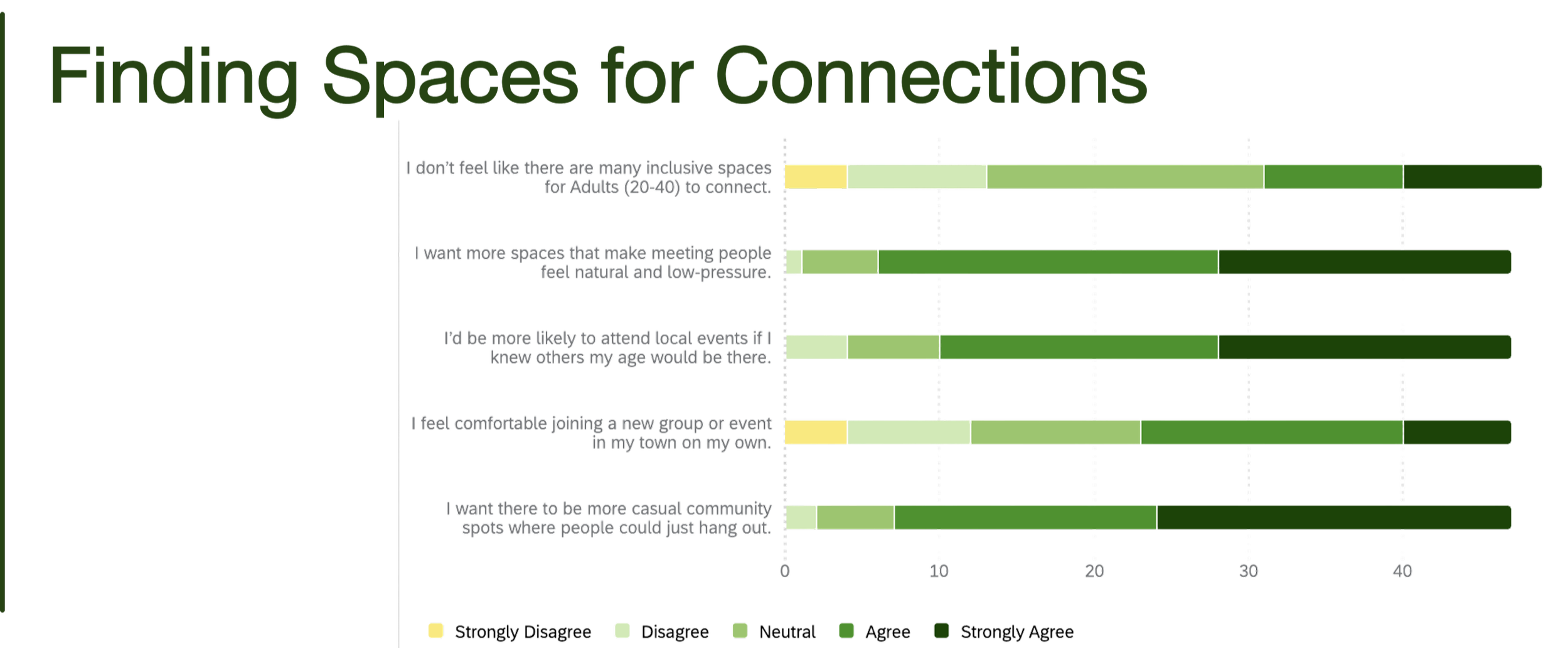
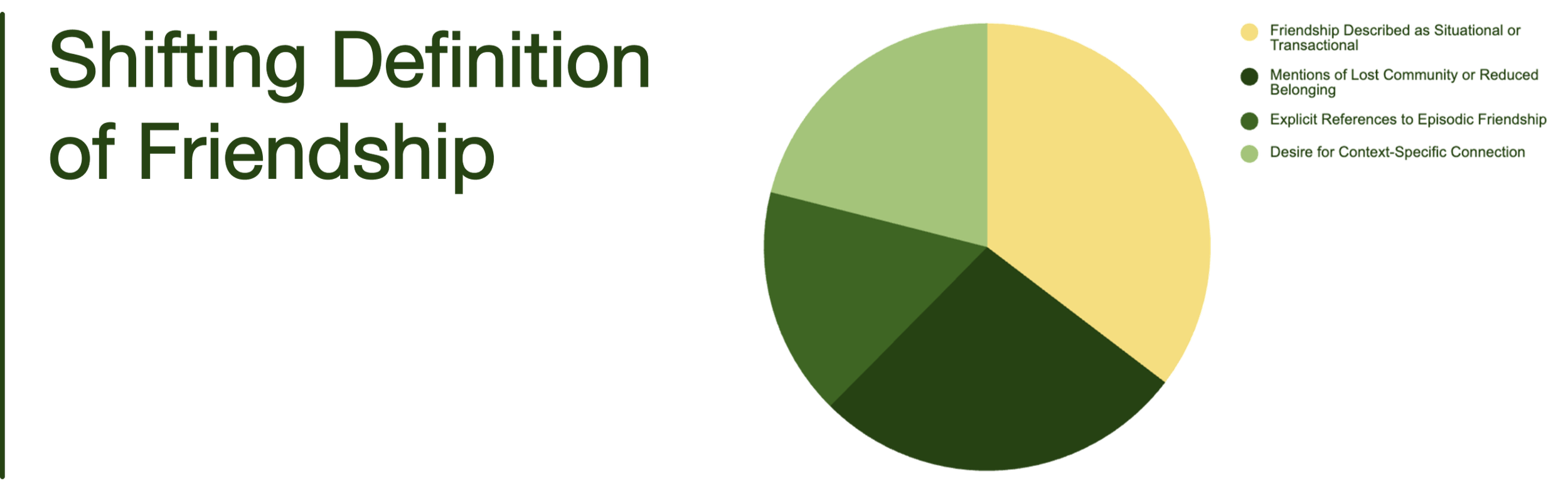

Gorilla Ux Research
After all the research I conducted it was important to do one final test. So I conducted 10 street interviews where I asked three generic questions.
Eating is universally a very communal experience which is why I revolved my questions around it specifically. It is also something that is incorporated into almost any social activity.
Will there be food?
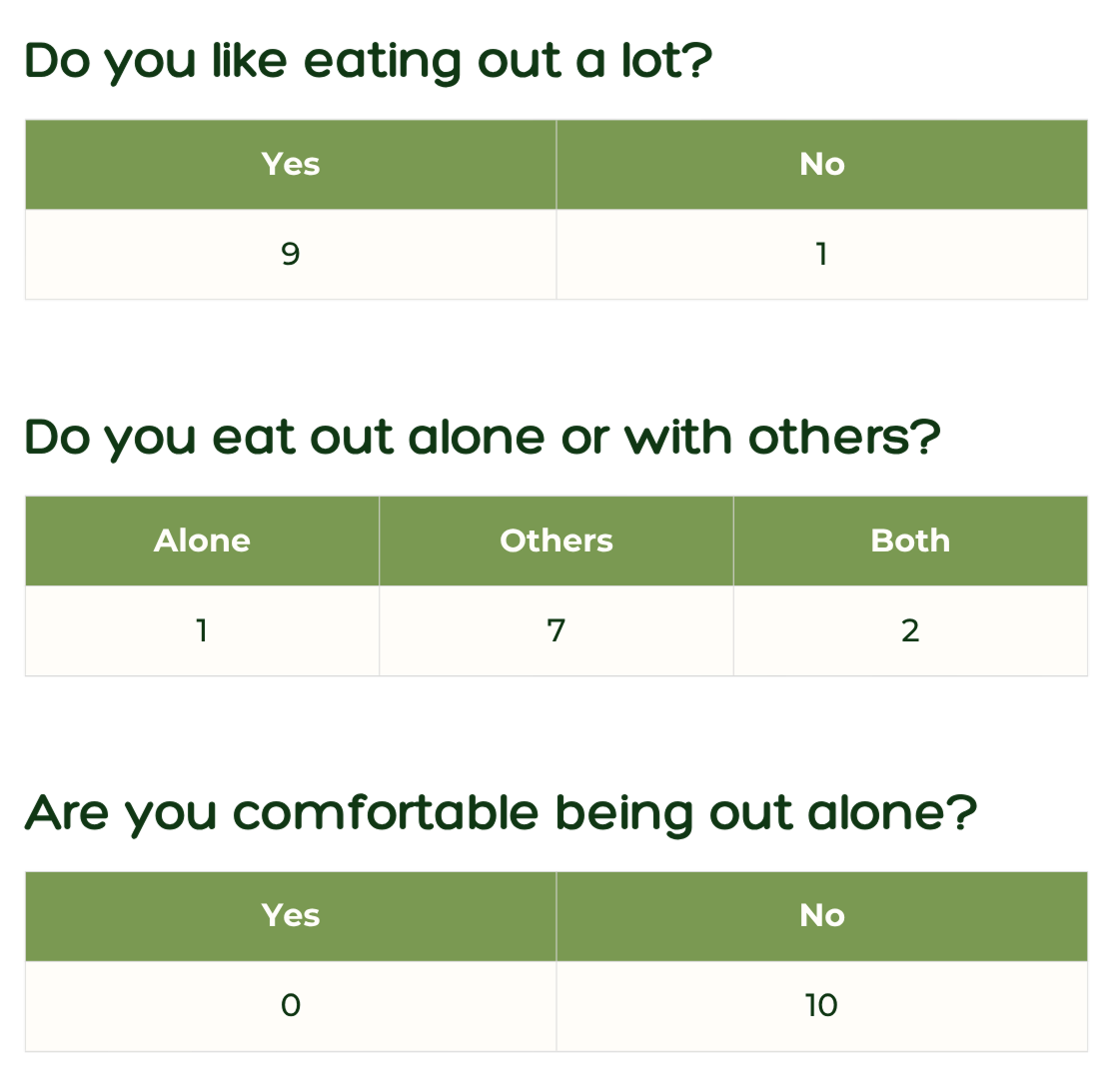
Following each test, I asked: 'Why do you or don’t you feel comfortable being in public spaces alone?' This yielded my research's most significant insights to date.
Follow Ups and Take Aways
1. Users who eat alone viewed it as a purely functional, circumstantial choice often tied to a desire for privacy and convenience.
2. Conversely, those who eat only in groups defined the activity as an inherently social experience. They viewed solitary dining as a waste of time and money, even when they had a personal desire to go out.
Results

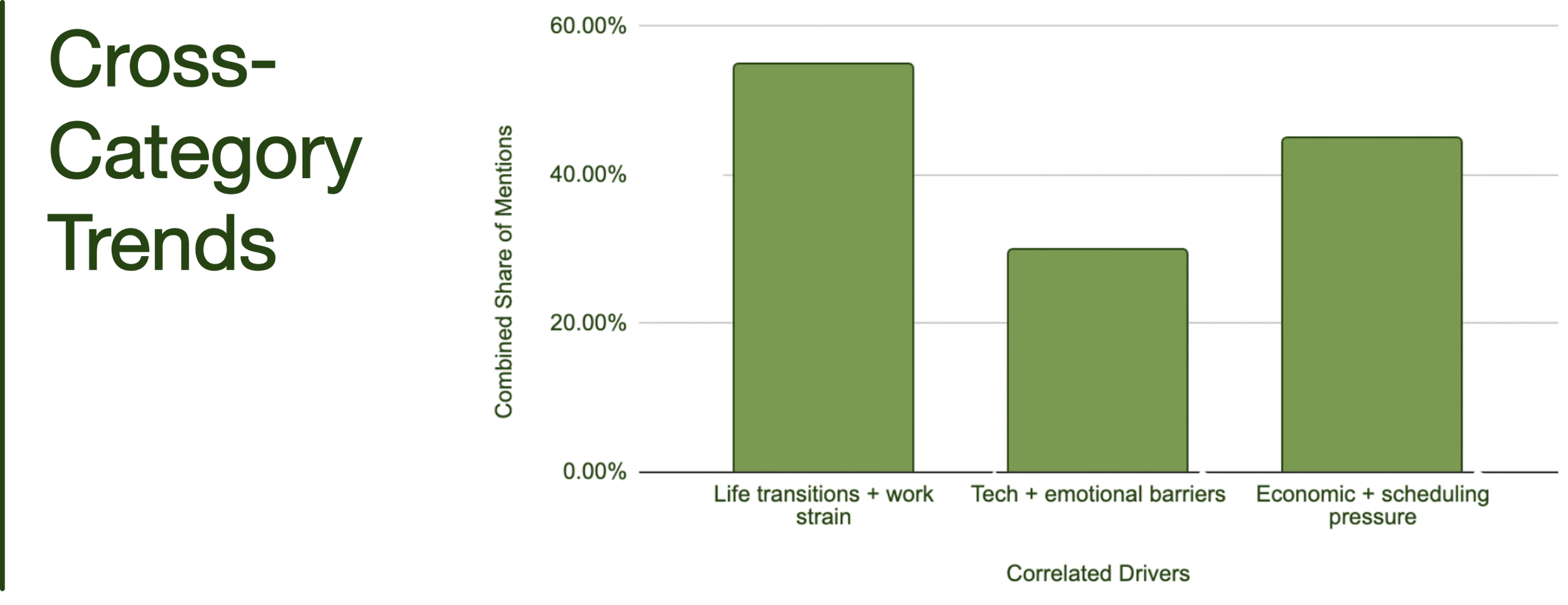
My research indicates that existing organizational efforts to solve social isolation are consistently failing across three major sectors:
Libraries and “third spaces” are struggling to host "new adult" mixers often fail to attract the target demographic, resulting in age-group friction and general disinterest.
Public Institutions
Former dating platforms are attempting to pivot to platonic connections but are hindered by superficial habits, with users reporting high rates of ghosting, unwanted romantic advances, and stagnant conversations.
Friendship Apps
These platforms fail by requiring users to commit to expensive, inconvenient activities based on hobbies. Users report lacking the time for such out-of-the-way events, noting that these apps often trap relationships in a purely digital loop that never leaves the app.
Community Building Apps
Ultimately, these failures highlight a critical need: users must be met at their own pace within their existing everyday environments rather than forced into new, artificial social settings. The solution needs to teach users once again what spontaneous moments of connection feel like.

“I want to go, but I don’t want to go alone.”
“The system is designed to make us this way.”
“Money, Time and I feel most people have friends already”
“I want deeper connections, but I don’t know how to initiate.”
“I don’t want to bother people or feel awkward, but I DO want connection.”
“I’ve heard phones being described as a “social crutch”.”


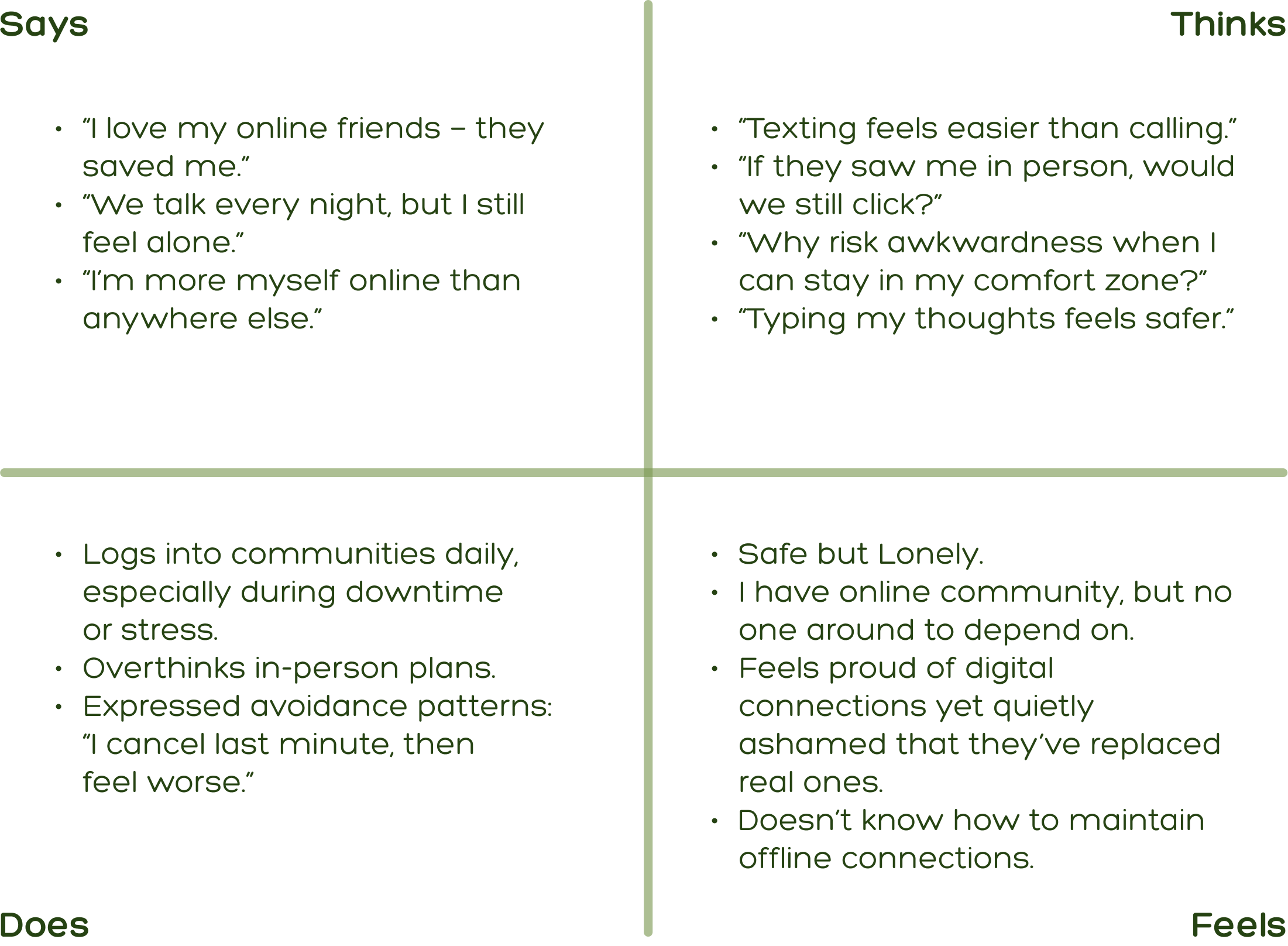
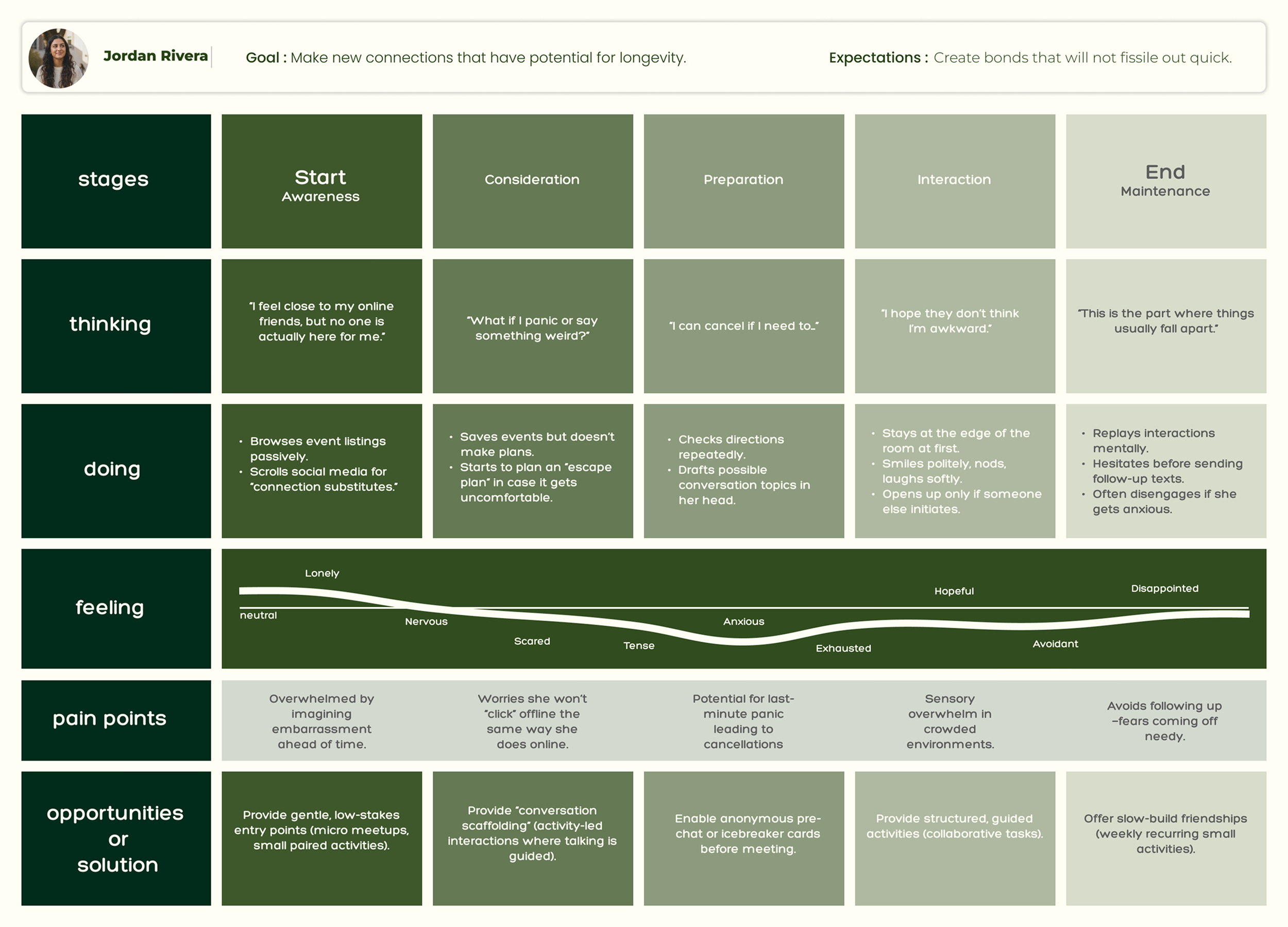

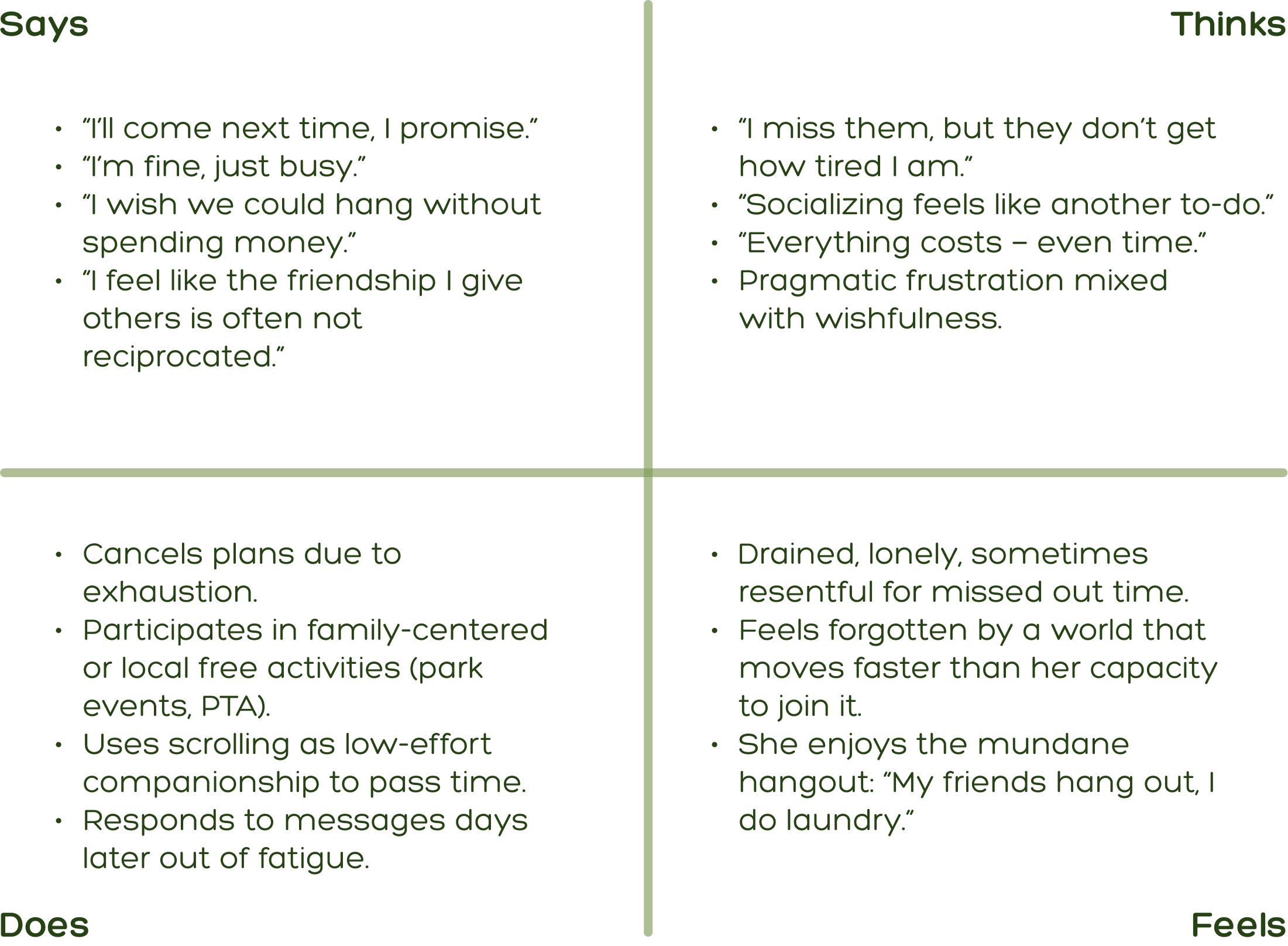
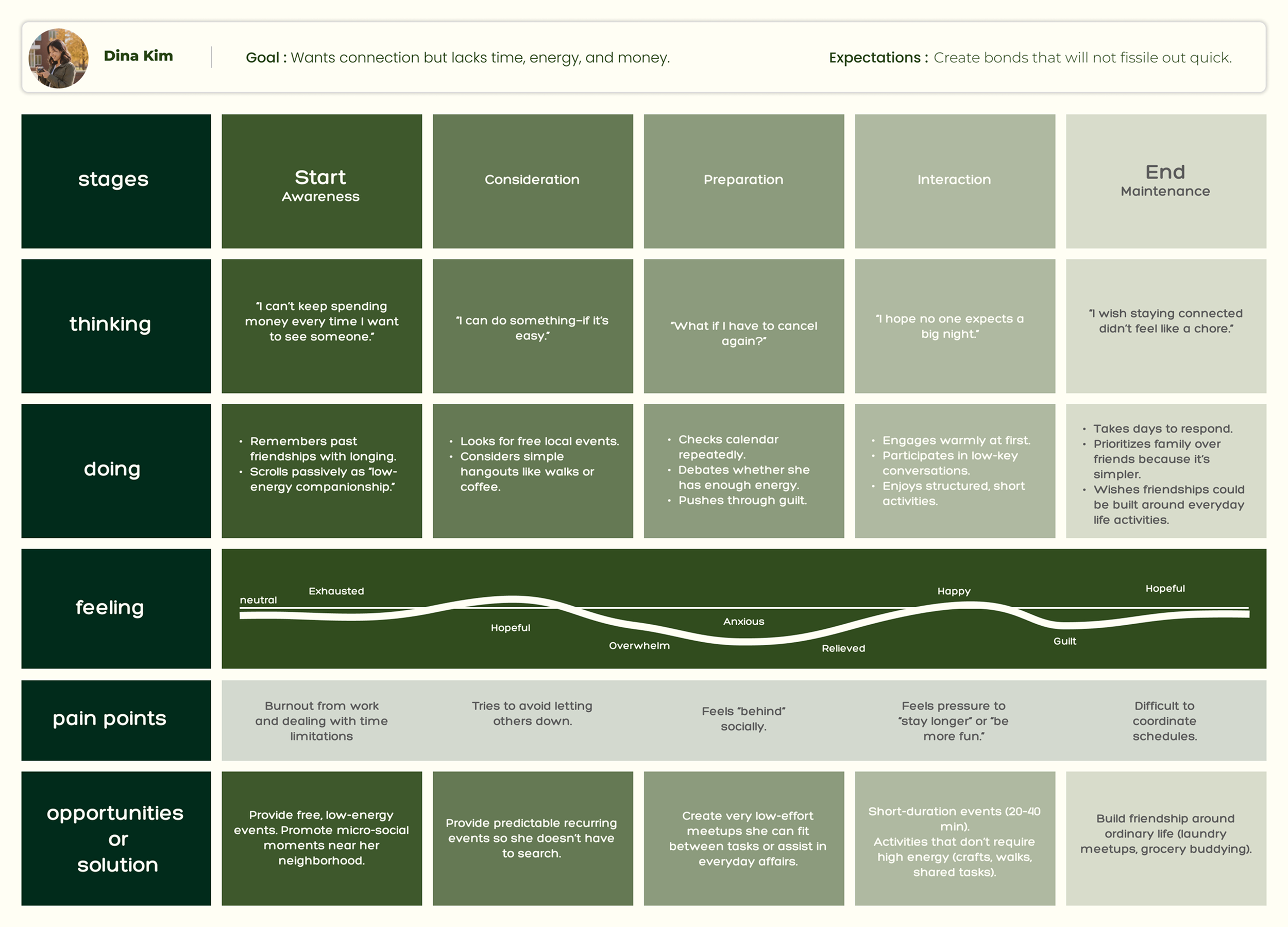
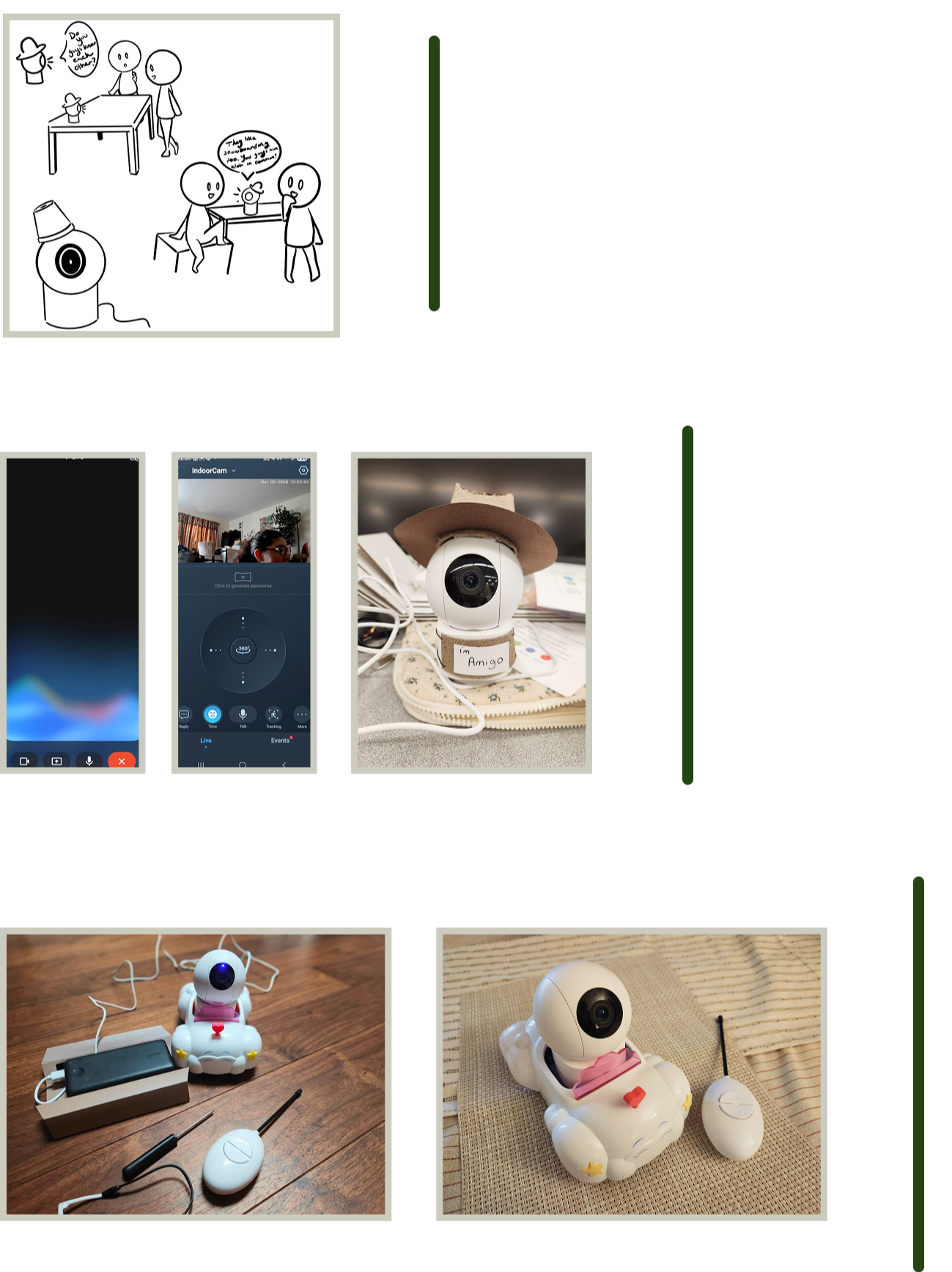

The project began by mapping interaction flows to identify where social engagement typically stalls. The goal was to create a nomadic, non-threatening presence. This resulted in Amigo’s disarming "character" design—complete with a playful accessories—to ensure the tech felt approachable rather than intrusive.
Stage One
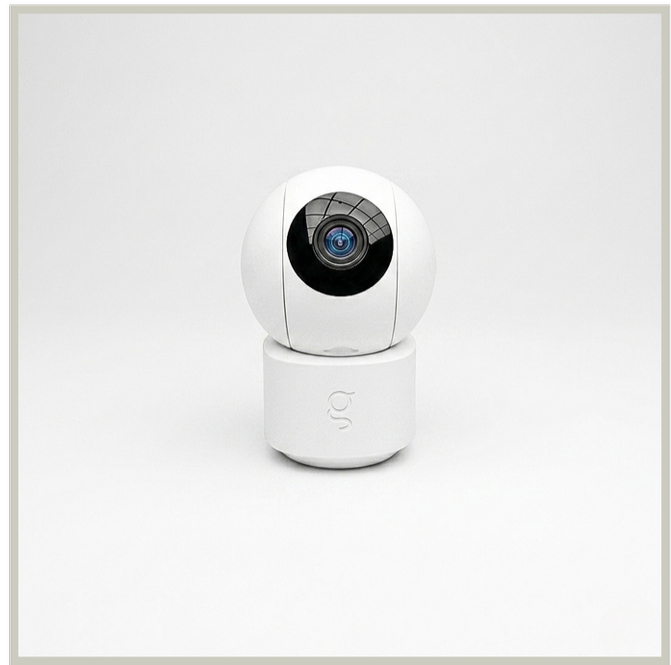
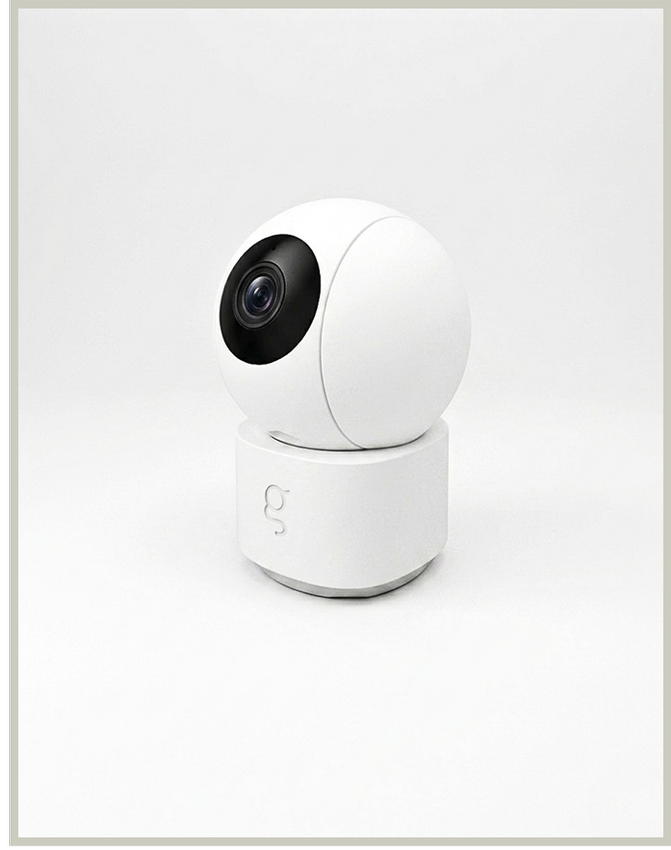
Development progressed from simple flows to a high-fidelity "disruptor" capable of two-way communication. Amigo employs 360° environmental scanning and mobile-integrated sensors to gather data, which is relayed to a custom AI persona. This persona is designed to be malleable, adjusting its personality dynamically based on the surrounding environment.
Stage Two
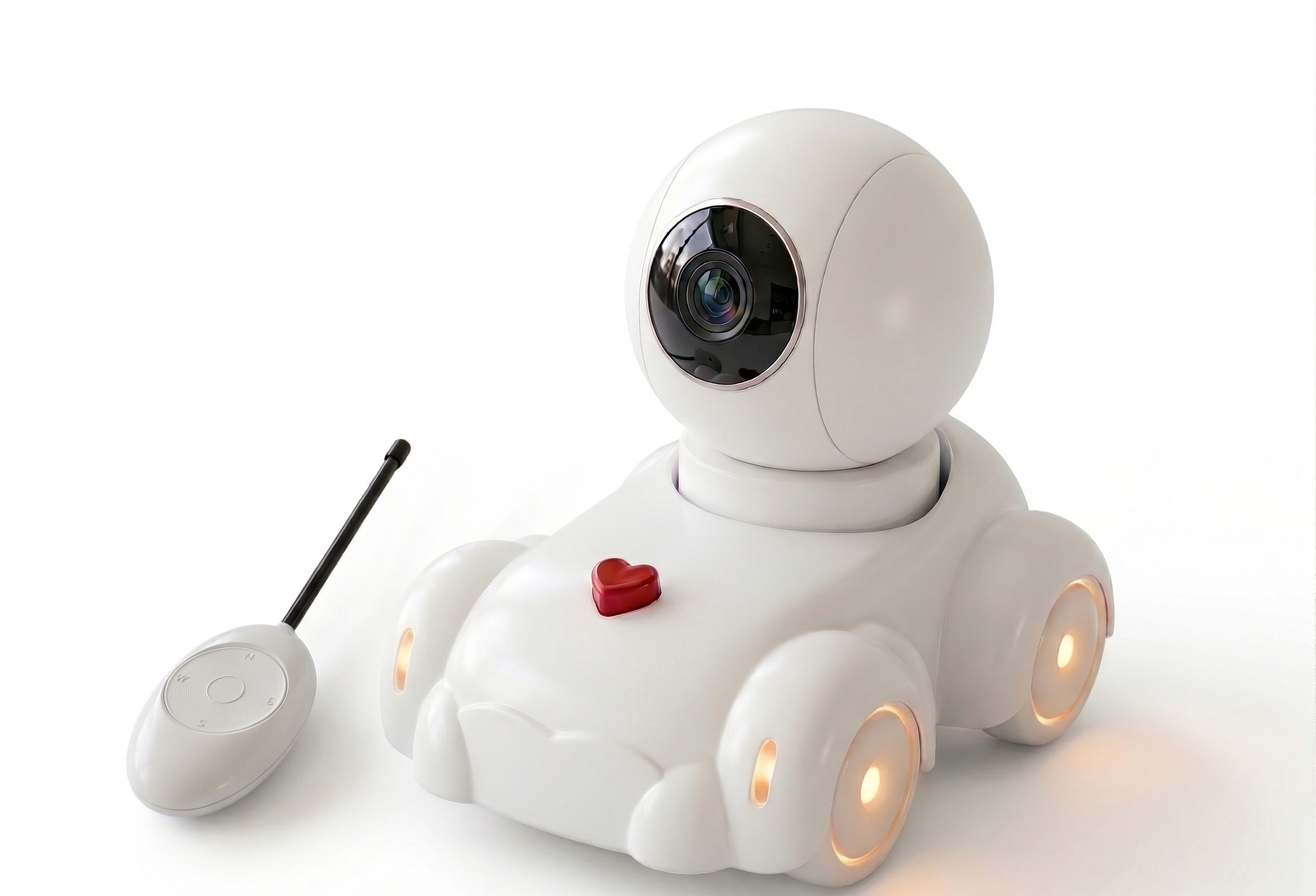
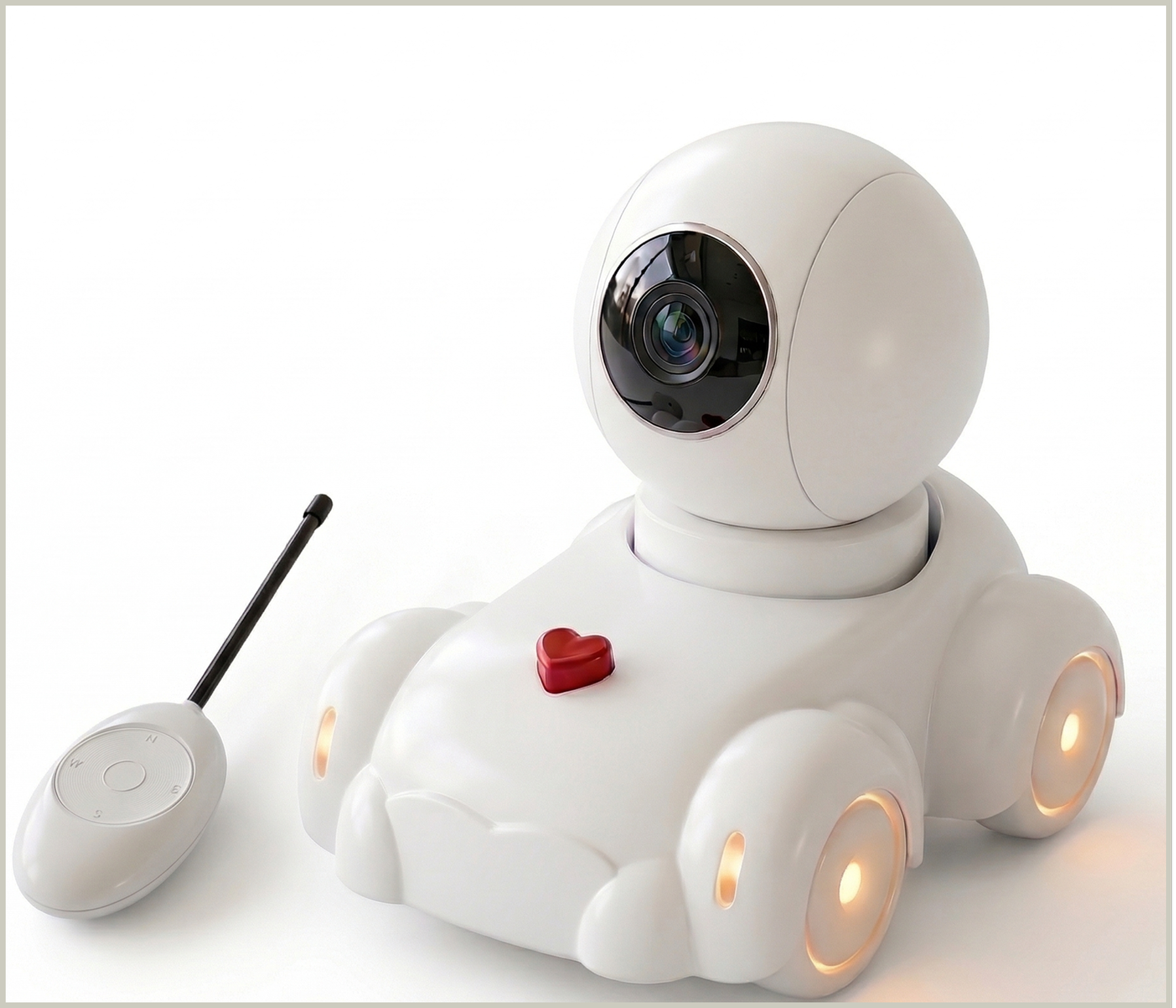
The final stage focused on granting Amigo mobility while maintaining its role as a localized intervention. By disassembling a small toy vehicle to house the hardware, I was able to mobilize amigo. As well by limiting the remote range; this design constraint ensured that users remained in close physical proximity to the device, to reinforce shared connection.
Stage Three


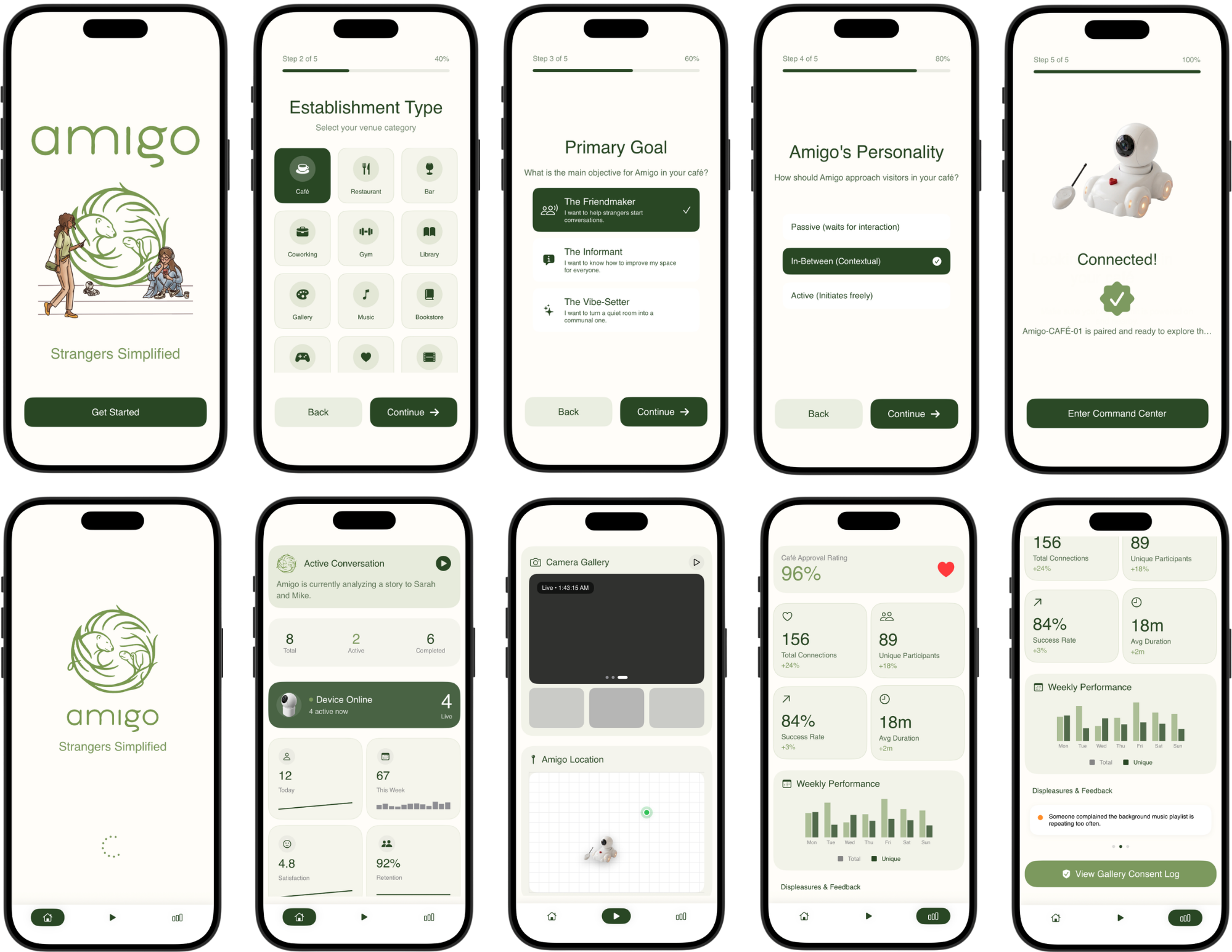
The Amigo interface serves as a comprehensive dashboard that allows establishments to customize and quantify social engagement within their "third spaces." Through an intuitive onboarding flow, stakeholders can tailor Amigo’s "personality"—ranging from a passive observer to an active "Friendmaker"—to match the specific atmosphere of a space they are in.
Beyond customization, the UI provides a transparent window into the robot's real-time mediation, offering live location tracking and conversation analysis. Crucially, it transforms abstract social interactions into measurable data, such as "Total Connections" and "Success Rates," providing establishments with tangible evidence of how the physical intervention is revitalizing their community and increasing customer retention.
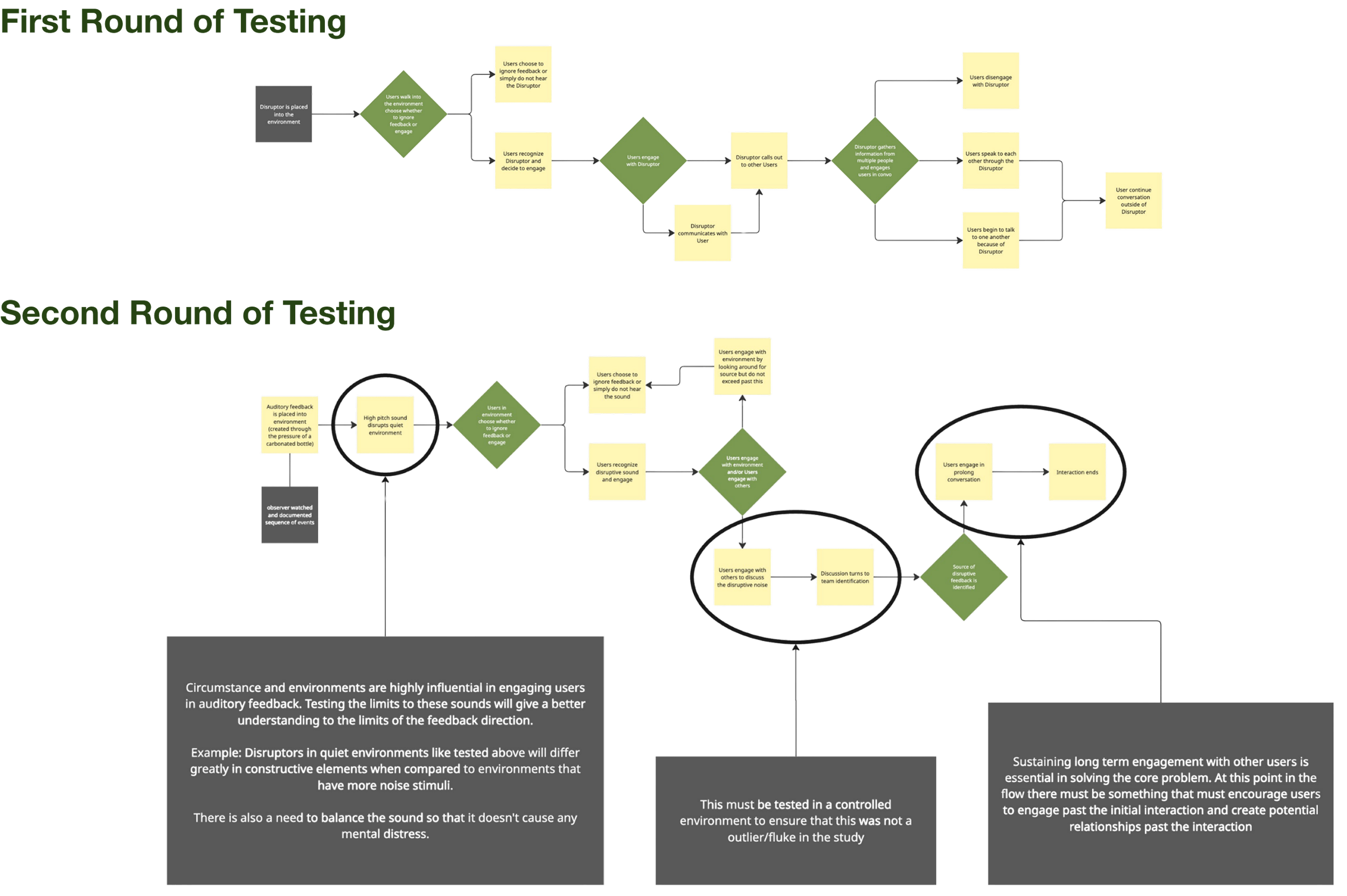
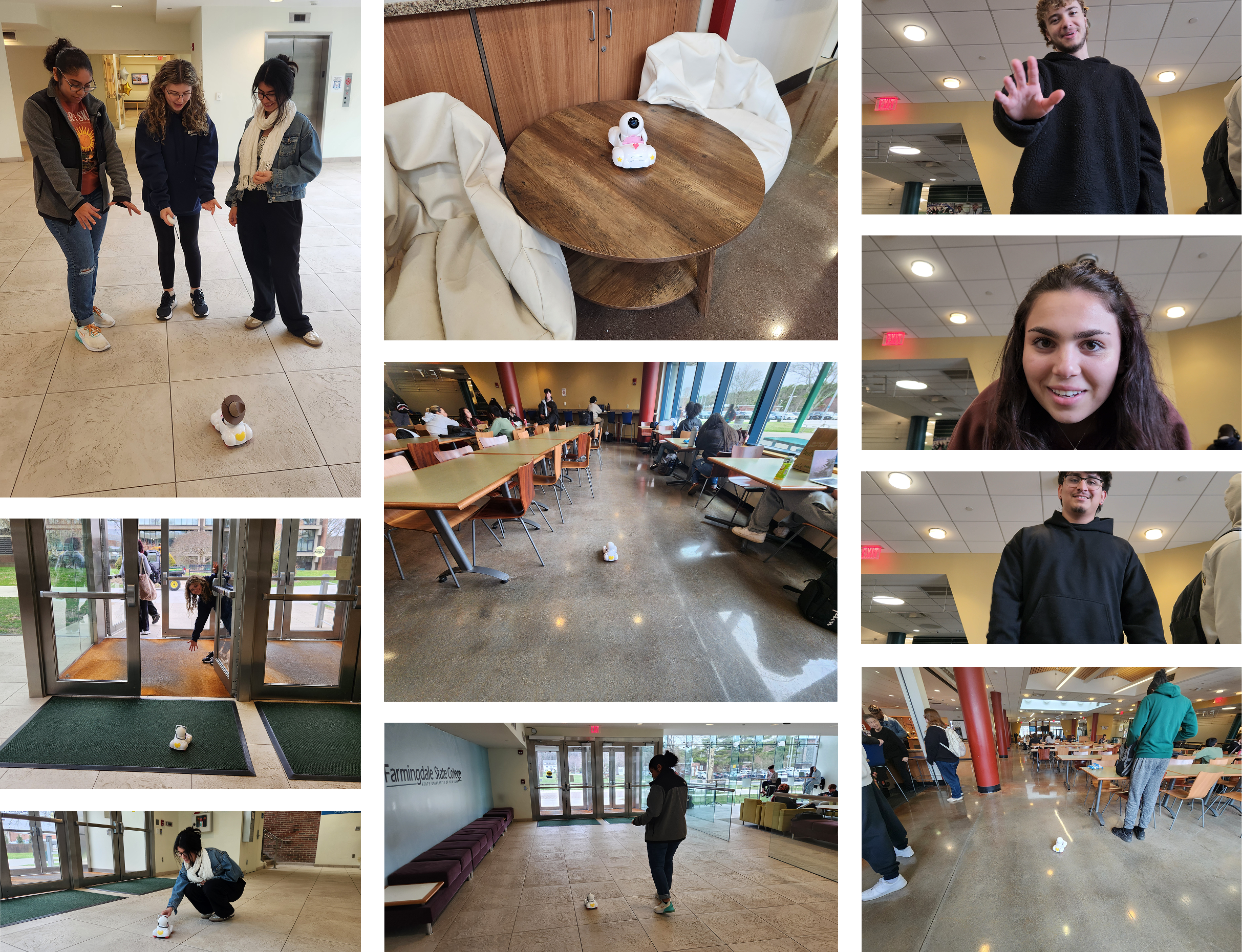
The evolution of user testing for Amigo transitioned from proving that a physical disruption can spark an initial encounter to engineering a prototype that could sustain meaningful dialogue. Early tests revealed that while a "disruptor" successfully broke the ice, the engagement was often too brief to form a real connection. To bridge this gap, the project shifted toward active mediation, utilizing the robot as a disarming, low-stakes placeholder that absorbs social anxiety.
By implementing a five-step "Mediation Flow"—which uses active listening to extract personal "hooks" from one user and "pivots" them toward a second nearby stranger—Amigo acts as a social bridge. This culminates in a strategic exit strategy where the robot goes quiet the moment the humans begin to engage directly, successfully transferring the social energy from the technology to an authentic, real-world connection.






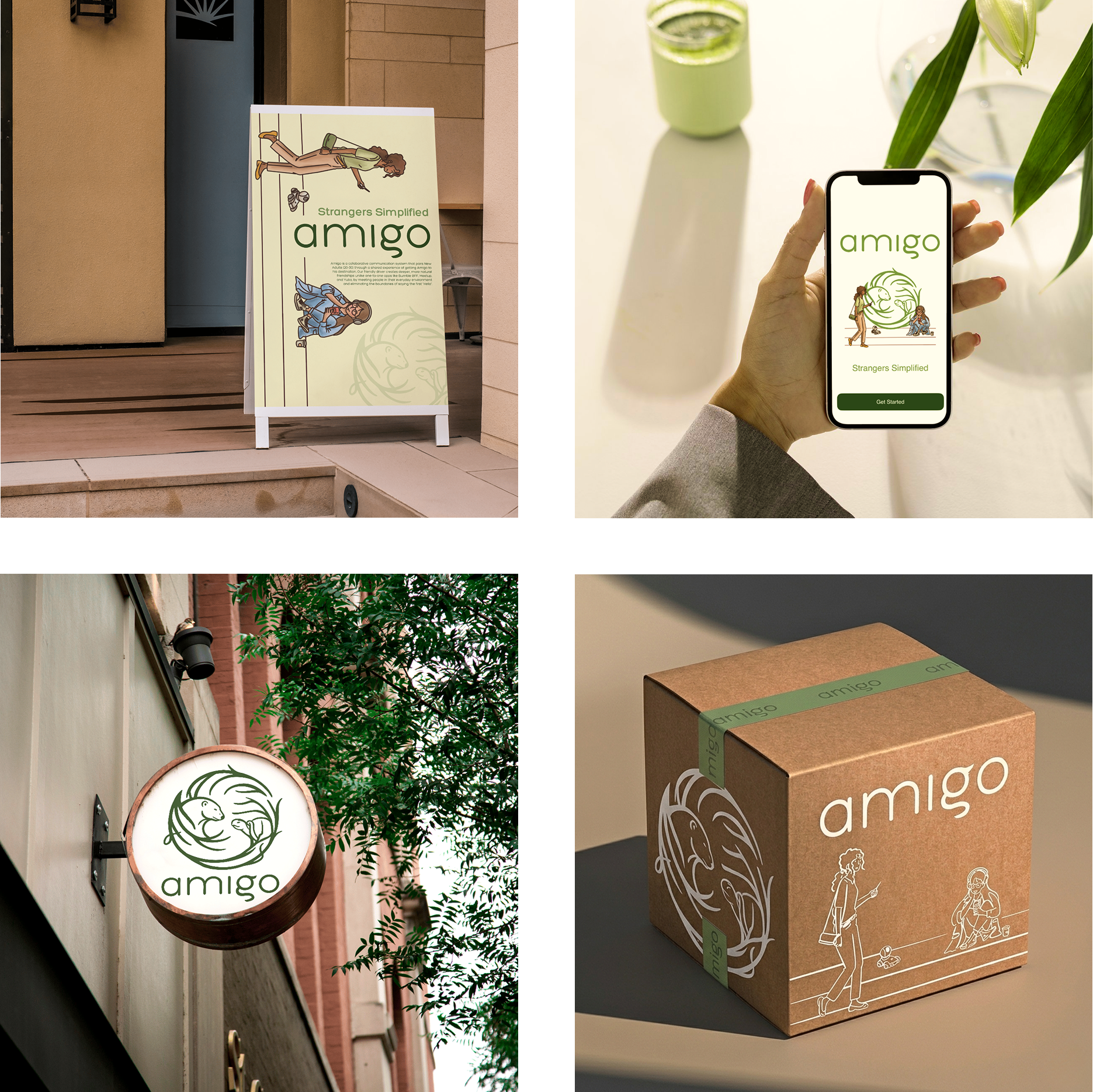
The green and yellow palette balances tech experience with organic comfort. Green evokes growth and safety, while soft yellow provides a warm, inviting energy. By replacing sterile tech aesthetics with these earthy tones, the design fosters a relaxed "third space" where users feel secure and open to social connection.


Hero embodies the playfulness of Amigo’s personality, while still encapsulating the feeling of friendliness and connection.